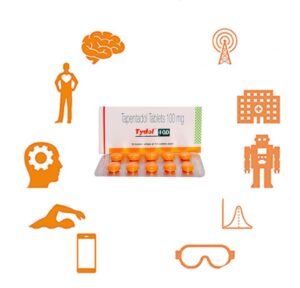

Managing pain effectively is one of the biggest challenges in modern medicine. When over-the-counter medications no longer provide relief, doctors often prescribe treatments that act directly on the central nervous system. One such option is Nucynta (Tapentadol), a prescription pain reliever known for its dual mechanism that provides targeted and balanced relief.
People who ask “What is Nucynta used for?” often want more than a quick answer. They want to understand how it works, what conditions it treats, and whether the generic version offers the same level of relief. With healthcare costs increasing, knowing the difference between brand and generic Tapentadol helps patients make practical, affordable decisions about pain management.
Before looking deeper into this medication, it’s helpful to understand how opioids like Tapentadol function. According to theOpioid Medications — FDA these drugs alter how the brain interprets pain signals. That makes them powerful tools for relief, but they require careful medical supervision to ensure safety.
Understanding Nucynta (Tapentadol)
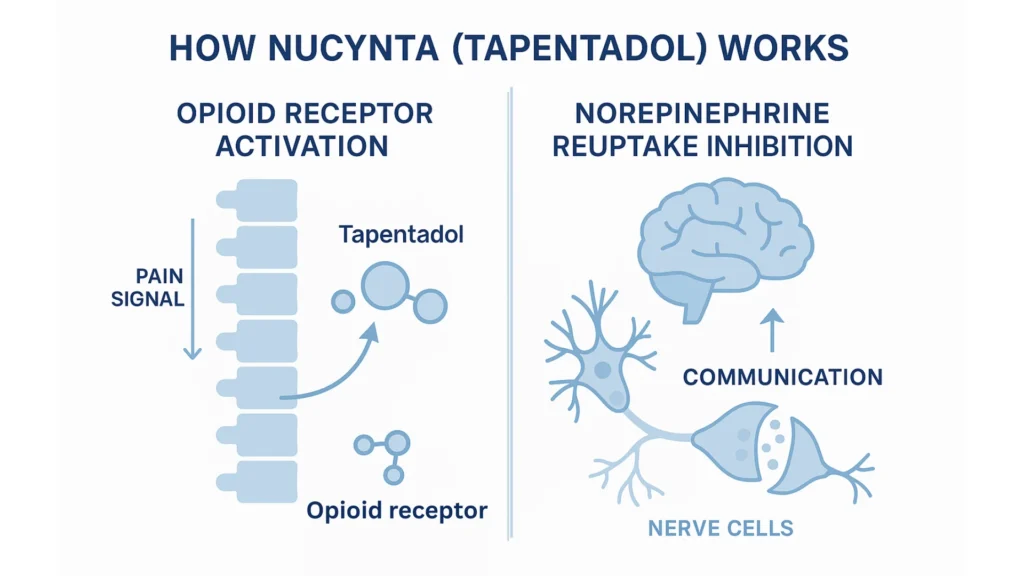
Nucynta is a centrally acting opioid analgesic that stands apart from traditional opioids like morphine or oxycodone. Its active ingredient, Tapentadol, works through two complementary mechanisms:
- Opioid receptor activation: Reduces pain perception by binding to receptors in the brain and spinal cord.
- Norepinephrine reuptake inhibition: Increases norepinephrine levels, enhancing the nervous system’s ability to regulate pain.
This dual mechanism helps Nucynta relieve moderate to severe pain effectively while causing less drowsiness than some stronger opioids. It is available in both immediate-release and extended-release forms, making it suitable for short-term surgical pain and long-term chronic conditions alike.
Doctors may prescribe Nucynta for patients recovering from surgery, dealing with diabetic neuropathy, or managing chronic musculoskeletal pain. Because Tapentadol directly affects the brain and spinal cord, it should only be used under professional supervision.
For more background, read GlobalPharmacare’s Tapentadol insights article.
Mechanism and Effectiveness
Nucynta’s value lies in its balanced mechanism. Traditional opioids mainly target pain receptors, which can lead to higher sedation and dependency risk. Tapentadol’s second action—blocking norepinephrine reuptake—adds another layer of control, making it both powerful and steady in its effects.
This balance means patients often experience pain relief without feeling as sedated, which can be important for those who need to remain active or return to work. Studies have shown that patients using Tapentadol report similar or better pain control compared with classic opioids, but with improved tolerability.
Immediate-release tablets usually take effect within an hour, while extended-release versions provide stable relief for up to 24 hours. This flexibility allows physicians to tailor treatment for acute or chronic pain conditions
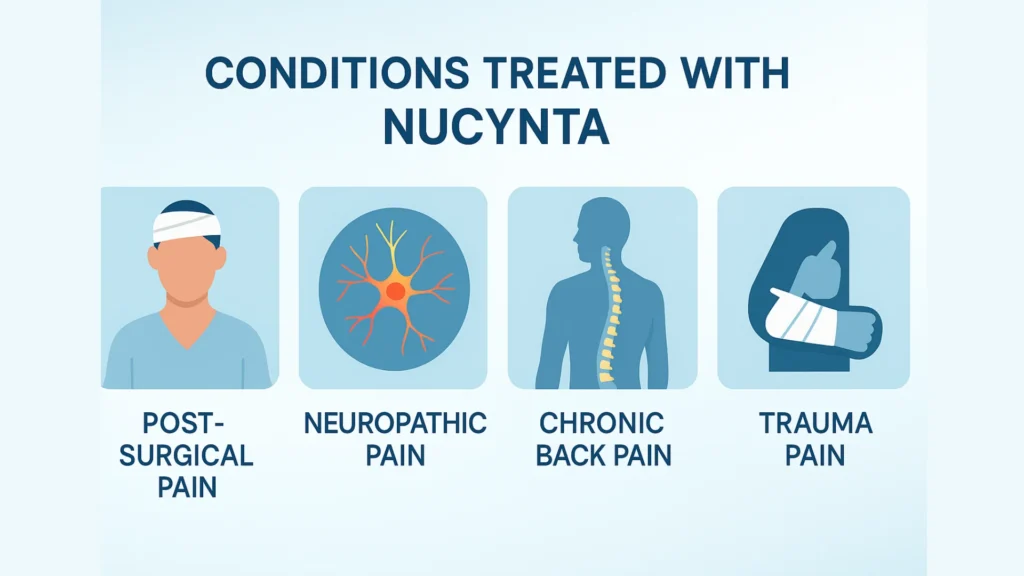
Conditions Treated with Nucynta
1. Post-Surgical Pain
Surgical recovery often involves tissue inflammation and nerve sensitivity that over-the-counter painkillers cannot manage. Nucynta offers short-term relief from acute pain, helping patients regain comfort and mobility without excessive sedation.
2. Neuropathic Pain
Tapentadol is particularly helpful for nerve-related pain such as diabetic neuropathy. Nerve pain often feels like burning, tingling, or electric shocks—symptoms that regular analgesics rarely improve. By targeting both the nerve and brain response, Nucynta provides relief where many painkillers fail.
See Healthline’s guide on neuropathic pain for further insight.
3. Chronic Musculoskeletal Pain
Chronic conditions like arthritis, lower back pain, and joint degeneration can be debilitating. Extended-release Tapentadol maintains steady pain control throughout the day, supporting daily function and quality of life for people dealing with long-term discomfort
4. Trauma-Related Pain
For injuries involving bones, muscles, or ligaments, Tapentadol can help manage sustained pain levels, reducing the need for frequent dosing. This approach helps patients focus on rehabilitation rather than constant pain management.
While Nucynta relieves pain effectively, it doesn’t treat the underlying cause. For lasting results, doctors may recommend complementary therapies such as physiotherapy, exercise, or counseling.
Comparing Nucynta to Other Pain Medications
When compared to traditional opioids like oxycodone or hydrocodone, Nucynta provides similar levels of pain relief with potentially fewer side effects. Many patients report experiencing less nausea or dizziness.
Unlike non-opioid options such as NSAIDs or acetaminophen, Tapentadol works on central pain pathways, which makes it more suitable for moderate to severe pain rather than inflammation-related issues. However, because of its controlled nature, it should always be taken exactly as prescribed.
Patients who cannot tolerate stronger opioids often find Tapentadol a safer alternative, especially in its extended-release form. It bridges the gap between conventional opioids and non-opioid painkillers, providing effective coverage without extreme sedation.
Why the Generic Version of Nucynta Matters
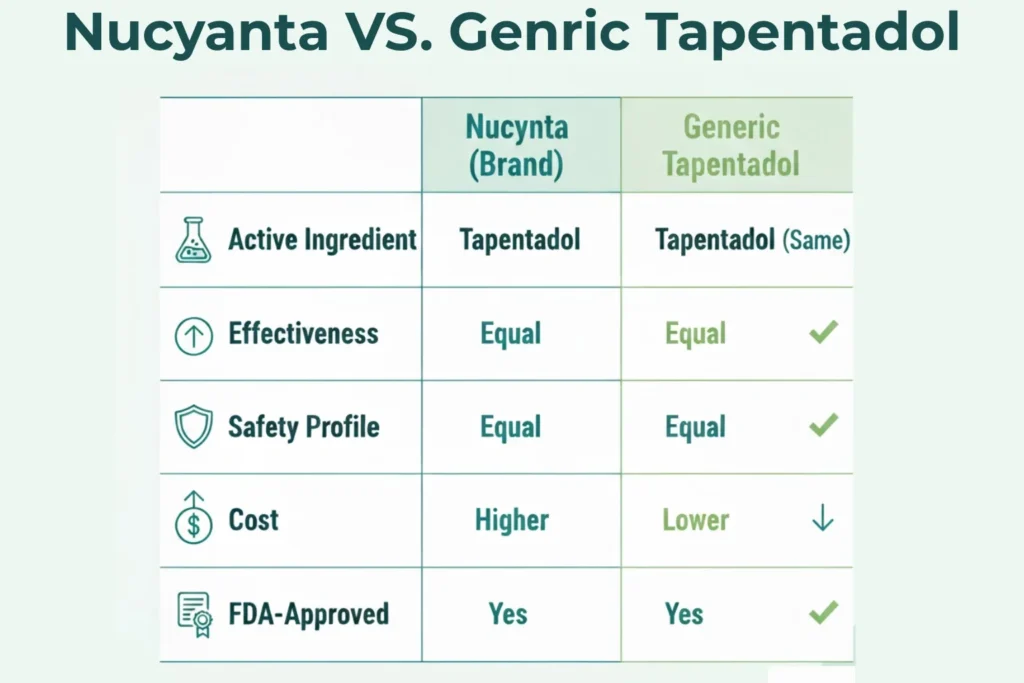
When the Nucynta patent expired, generic Tapentadol became widely available. Generics contain the same active ingredient, strength, and formulation as the brand version. The FDA’s facts about generic drugs confirm that these alternatives work just as effectively and safely as brand-name medications, meeting the same quality and manufacturing standards.
The major difference is cost. Generic Tapentadol—such as Aspadol (Tapentadol) 100mg—offers identical pain relief at a fraction of the price, allowing more patients to continue long-term treatment without financial strain. For people managing chronic pain, affordability directly affects consistency and quality of care.
Cost and Accessibility
Pain management is not just a medical issue; it’s also an economic one. In many regions, the high price of brand-name opioids limits patient access. Generic Tapentadol helps bridge this gap by providing a cost-effective alternative that maintains the same therapeutic quality.
GlobalPharmacare.net offers lab-tested pain medications worldwide, including Tapentadol and Pain O Soma (Carisoprodol), which targets muscle-related discomfort. The NIH’s resource on chronic pain management provides additional research on how multimodal pain control can improve outcomes and reduce dependence
Safety, Dependence, and Responsible Use
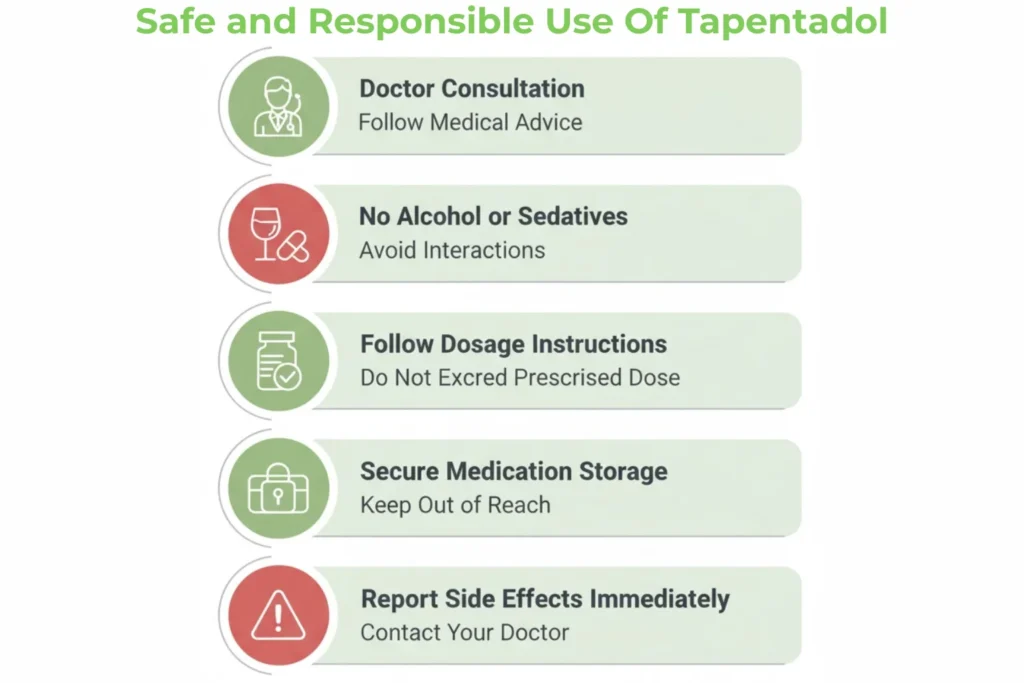
Like all opioids, Tapentadol requires responsible handling. Misuse or overuse can lead to tolerance, dependence, or addiction. The National Institute on Drug Abuse (NIDA) warns that long-term misuse can alter brain chemistry, making withdrawal difficult without professional support.
Common side effects include nausea, dizziness, constipation, and mild drowsiness. Severe reactions such as confusion, difficulty breathing, or allergic responses need immediate medical attention. Patients should avoid mixing Tapentadol with alcohol or sedatives, as this combination can cause respiratory depression or unconsciousness.
Doctors typically evaluate a patient’s medical history, existing prescriptions, and liver function before recommending Tapentadol to ensure safe use.
Responsible Online Access
As more patients turn to online pharmacies for convenience and privacy, verifying legitimacy is essential. A trustworthy provider should always request a valid prescription, display authentication seals, and provide transparent product details.
GlobalPharmacare.net maintains strict safety standards and works directly with licensed manufacturers to ensure authenticity. Their range of Tapentadol and similar medications gives patients secure access to verified pain relief solutions.
For guidance, see the How to Buy Medicines Safely From an Online Pharmacy — FDA:
FAQs – What is Nucynta used for
Nucynta (Tapentadol) is prescribed for moderate to severe pain, including neuropathic, musculoskeletal, and post-surgical pain.
Yes. Generic Tapentadol meets FDA bioequivalence standards and offers identical pain relief at a lower price.
Like all opioids, Tapentadol may lead to dependence if misused. It should always be used under medical supervision.
Conclusion
Nucynta (Tapentadol) is a major step forward in pain management. Its two-part mechanism—opioid receptor activation and norepinephrine reuptake inhibition—delivers powerful, balanced relief suitable for both acute and chronic pain conditions.
Knowing what Nucynta is used for and how its generic version compares helps patients make safe, informed choices. Generic Tapentadol offers the same clinical benefits at a lower cost, making effective pain relief more accessible worldwide.
Still, medical guidance remains essential. Anyone considering Tapentadol should consult a healthcare provider before starting or adjusting therapy.
For more information on safety and responsible use, visit the Preventing Opioid Use Disorder — CDC.
Medical Disclaimer
The information in this article is provided for educational purposes only and is not intended to replace professional medical advice, diagnosis, or treatment. Always consult a licensed healthcare provider before starting, changing, or discontinuing any medication, including Nucynta (Tapentadol) or its generic forms. GlobalPharmacare.net does not endorse self-medication and is not liable for the misuse or unsupervised use of prescription medicines.