For patients living with moderate to severe ongoing pain, medication costs are not a minor issue—they can directly affect quality of life, treatment adherence, and long-term outcomes. Nucynta is widely recognised for its effectiveness in certain pain conditions, but its continued brand-only status in several major markets has left many patients in the UK and globally asking an important question: when will there be a generic for Nucynta?
Alongside concerns about price, patients often worry about safety, regulatory approval, and what responsible alternatives exist while waiting for generics to become available. This article explains the situation clearly, highlights encouraging facts grounded in regulation and science, and outlines practical options patients can responsibly consider today.
For patients asking when will there be a generic for Nucynta, it’s important to understand that generic medicines can only enter the market once patent and exclusivity barriers expire and regulatory authorities approve the product.
What Is Nucynta and Why Is It Still Brand-Only?
Patent Timelines and Regulatory Oversight
Generic medicines can only enter the market once patent and exclusivity barriers expire and regulatory authorities approve the product. In the United States, this process is overseen by the Food and Drug Administration (FDA), which requires generics to meet strict standards for quality, safety, and bioequivalence. The FDA provides a public overview explaining how generic drugs are evaluated and approved in the United States.
In the United Kingdom, regulation is handled by the Medicines and Healthcare products Regulatory Agency (MHRA), the authority responsible for approving, monitoring, and regulating medicines, with details available on the MHRA’s official regulatory guidance.
At the European level, approval standards are coordinated by the European Medicines Agency (EMA), which ensures consistent evaluation across EU member states through its centralised human medicines approval process.
Across all these regulators, generics must:
- Contain the same active ingredient
- Meet rigorous manufacturing and quality controls
Demonstrate bioequivalence to the reference brand
Understanding why Nucynta remains brand-only begins with understanding its active ingredient and the regulatory framework that governs medicines.
Understanding Tapentadol as the Active Ingredient
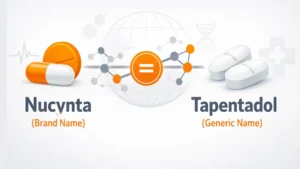
Nucynta is a prescription pain medication whose therapeutic effect comes from tapentadol, the active pharmaceutical ingredient. From a medical and regulatory standpoint, it is the active ingredient—not the brand name—that determines how a medicine works in the body.
Tapentadol has been studied extensively in clinical and post-marketing settings and is recognised for its dual mechanism of action in pain management. Because generic medicines are based on the same active ingredient, this long scientific history is highly relevant when discussing future generic availability. An in-depth educational overview of tapentadol’s role in chronic pain management is available in Unlocking Relief: Exploring the Power of Tapentadol in Chronic Pain Management.
How Brand Exclusivity and Patents Work
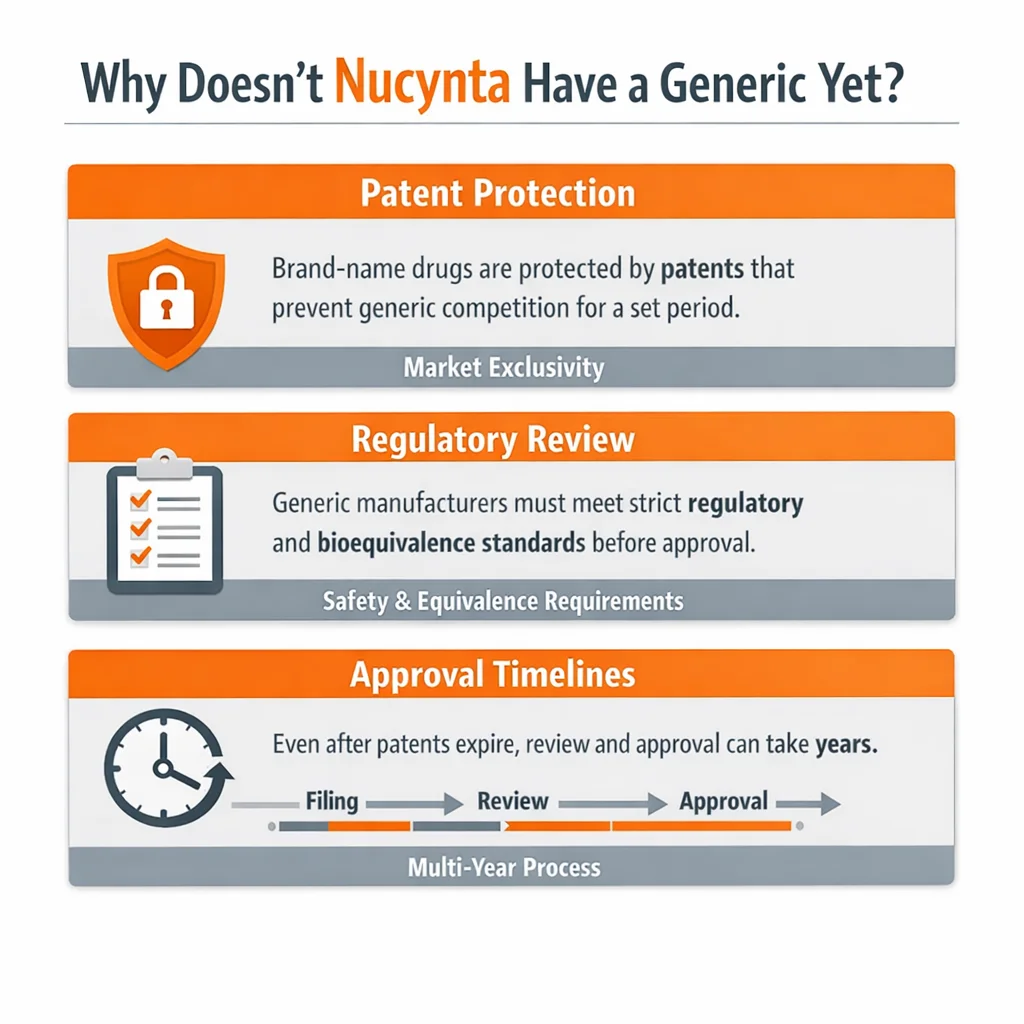
The primary reason Nucynta has remained brand-only is patent protection and regulatory exclusivity. These legal protections allow the original manufacturer to market the medication without generic competition for a defined period.
Patents may cover:
- The chemical compound itself
- Specific formulation methods
- Delivery systems or release mechanisms
As long as active patents or exclusivity rights remain in effect within a region, generic manufacturers are legally prevented from marketing equivalent versions—even if the active ingredient is well understood.
When Will There Be a Generic for Nucynta?
Why Predicting an Exact Date Is Difficult
Even when patents near expiration, predicting a precise launch date for a generic is difficult. Several factors can delay market entry, including:
- Ongoing patent litigation
- Secondary exclusivity claims
- Lengthy regulatory review timelines
- Manufacturing and supply-chain readiness
Because of these variables, no universally confirmed public date currently exists for generic Nucynta in the US or UK.
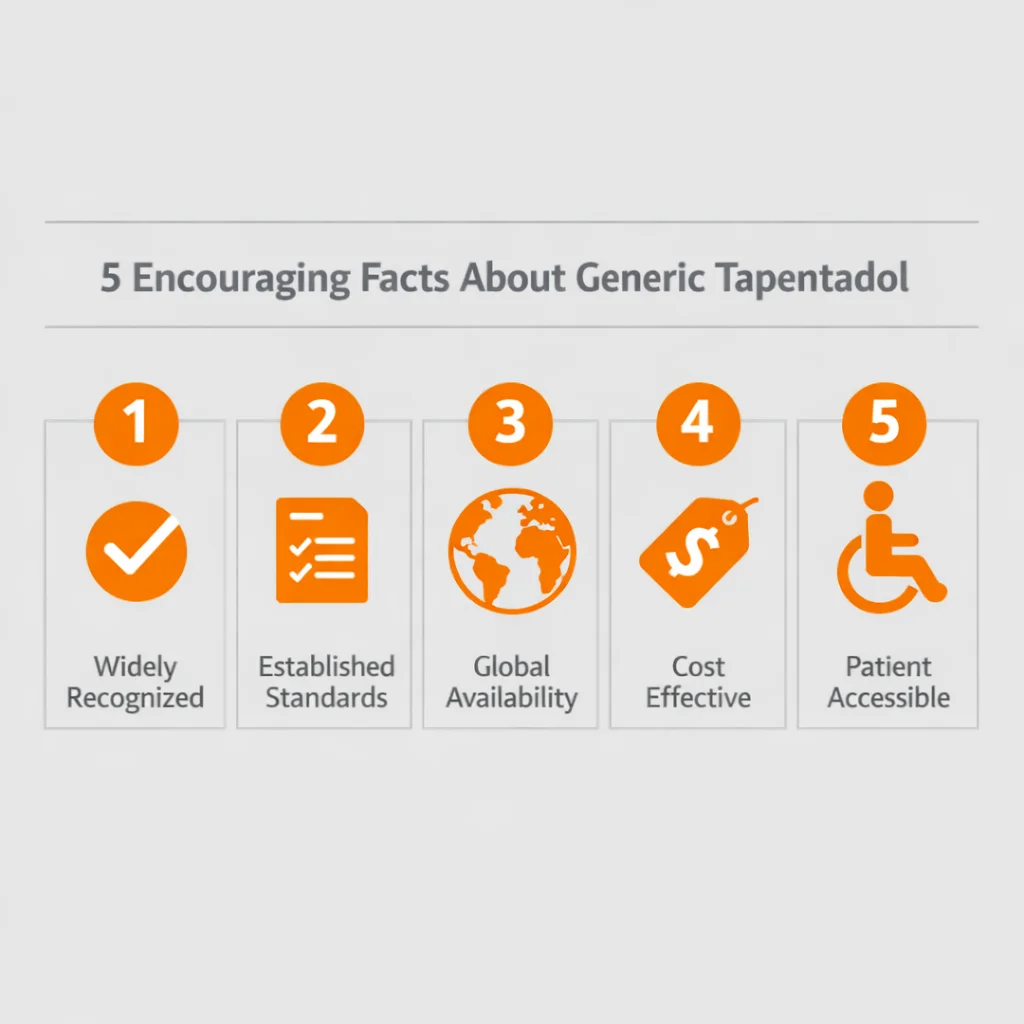
5 Encouraging Facts About Generic Tapentadol
While uncertainty remains, there are several positive, evidence-based reasons for optimism.
1. Tapentadol Is a Well-Established Active Ingredient
Tapentadol is not experimental or newly introduced. Its pharmacology, clinical use, and safety profile have been documented extensively in peer-reviewed medical literature. Decades of research can be explored through PubMed, maintained by the U.S. National Library of Medicine:
This depth of data significantly reduces uncertainty for both regulators and manufacturers evaluating future generic versions.
2. Tapentadol Is Already Available Beyond a Single Brand Globally
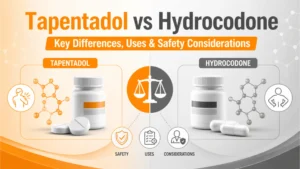
Although Nucynta remains brand-only in some regions, tapentadol is marketed internationally under different brands or non-originator versions where regulations permit. Educational comparisons—such as Comparing Tapentadol and Hydrocodone highlight how tapentadol fits within broader pain-management strategies.
3. Generic Tapentadol Must Meet Strict Bioequivalence Standards
Regulatory agencies require generics to demonstrate that they deliver the same amount of active ingredient into the bloodstream at a comparable rate and extent as the reference product. This ensures clinical equivalence, meaning patients can expect similar therapeutic outcomes when generics are approved.
4. Generic Entry Typically Leads to Cost Reductions
When generic medicines enter the market, competition almost always leads to:
- Lower prices
- Wider pharmacy availability
- Improved insurance and formulary coverage
For patients managing long-term pain, these changes can significantly improve affordability and continuity of care.
5. Patient Access Often Improves Rapidly After Approval
Healthcare systems and pharmacies often prioritise generics once they become available due to their comparable effectiveness and lower cost. This typically translates into broader access for patients within a relatively short time after approval.
What Can Patients Do While Waiting?
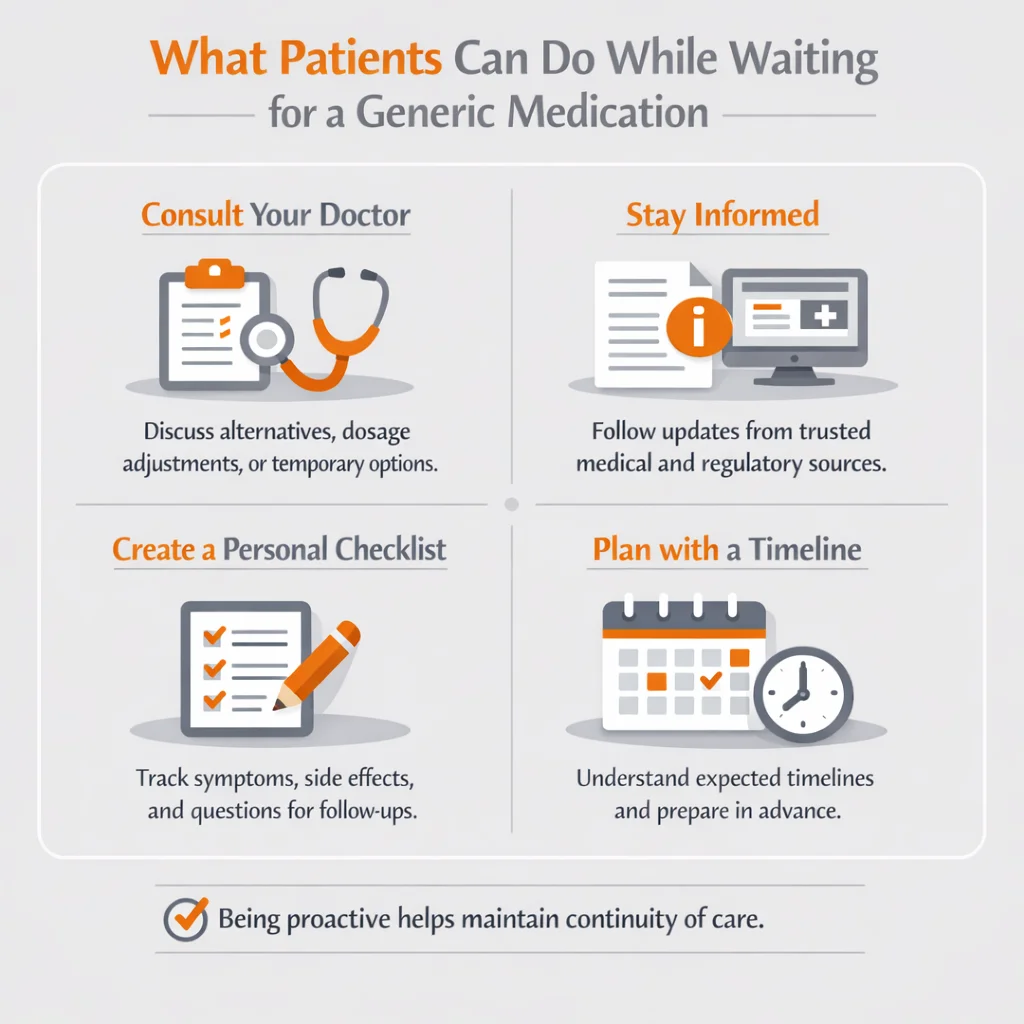
While waiting for generic availability, patients are not without options. The most important step is informed discussion with a qualified healthcare professional.
Educational resources can help patients better understand dosing, tolerability, and safety considerations. For example, Tapentadol Side Effects: What You Need to Know provides a clear overview to support responsible conversations with clinicians.
Patients may also review available strengths and formulations for educational purposes via the Tapentadol product category, which offers insight into how tapentadol-based therapies are typically structured.
Frequently Asked Questions (FAQs) About Generic Nucynta and Tapentadol
A: In some international markets, tapentadol is available outside the original brand name. However, availability varies by country and depends on local regulations, patent status, and approval by national authorities such as the Food and Drug Administration in the United States or the Medicines and Healthcare products Regulatory Agency in the UK.
A: The absence of a generic version of Nucynta is mainly due to ongoing patent protections, regulatory exclusivity periods, and approval timelines. Even after patents expire, manufacturers must still complete extensive regulatory reviews and demonstrate bioequivalence before a generic can legally enter the market.
A: At present, there is no officially confirmed public release date for a generic version of Nucynta in either the US or the UK. Generic entry depends on the resolution of remaining patents, regulatory review outcomes, and manufacturing readiness, all of which can vary by country and manufacturer.
A: When approved by regulators, generic medicines must demonstrate bioequivalence to the brand product. This means generic tapentadol is expected to deliver the same active ingredient at a comparable rate and extent, resulting in similar safety and effectiveness for approved uses.
A: Yes once approved. Generic medicines are required to meet the same safety, quality, and manufacturing standards as brand-name drugs. Regulatory agencies also conduct post-approval monitoring to ensure continued compliance and patient safety.
A: Nucynta’s higher cost is largely due to its brand-only status, limited competition, and patent protections. These factors often result in higher prices. Historically, once generic versions enter the market, increased competition typically leads to lower costs.
A: Some patients explore alternative pain-management approaches or therapies in consultation with qualified healthcare professionals. The suitability of any alternative depends on individual medical history, pain type, and treatment goals, making professional guidance essential.
A: In certain countries, tapentadol-based medicines may be available under different brand or non-originator names. Patients should always consider local legal requirements, regulatory standards, and product authenticity when reviewing international availability.
A: Coverage decisions vary by insurer and healthcare system. However, generics are historically more likely to be included in formularies due to their lower cost compared to brand-name medicines. Policies and timelines can differ by region.
A: Patients may benefit from discussing cost concerns openly with a qualified healthcare professional. Staying informed through reputable pain-management education resources and monitoring developments in generic availability can also support more informed treatment decisions.
Final Thoughts: Cautious Optimism with Practical Action
Although there is no confirmed date for a generic version of Nucynta in the US or UK, the outlook is more encouraging than it may initially appear. Tapentadol’s well-established scientific foundation, global availability, and strict regulatory pathways all point toward eventual generic entry.
In the meantime, patients can benefit from staying informed, engaging in open discussions with healthcare providers, and relying on reputable educational resources. Responsible knowledge empowers better decisions—both now and when generics eventually arrive.
Medical Disclaimer
The information provided in this article is for educational and informational purposes only and is not intended as medical advice, diagnosis, or treatment. Always seek the guidance of a qualified healthcare professional with any questions regarding medical conditions, medications, or treatment decisions. Never disregard professional medical advice or delay seeking it because of information you have read in this article.